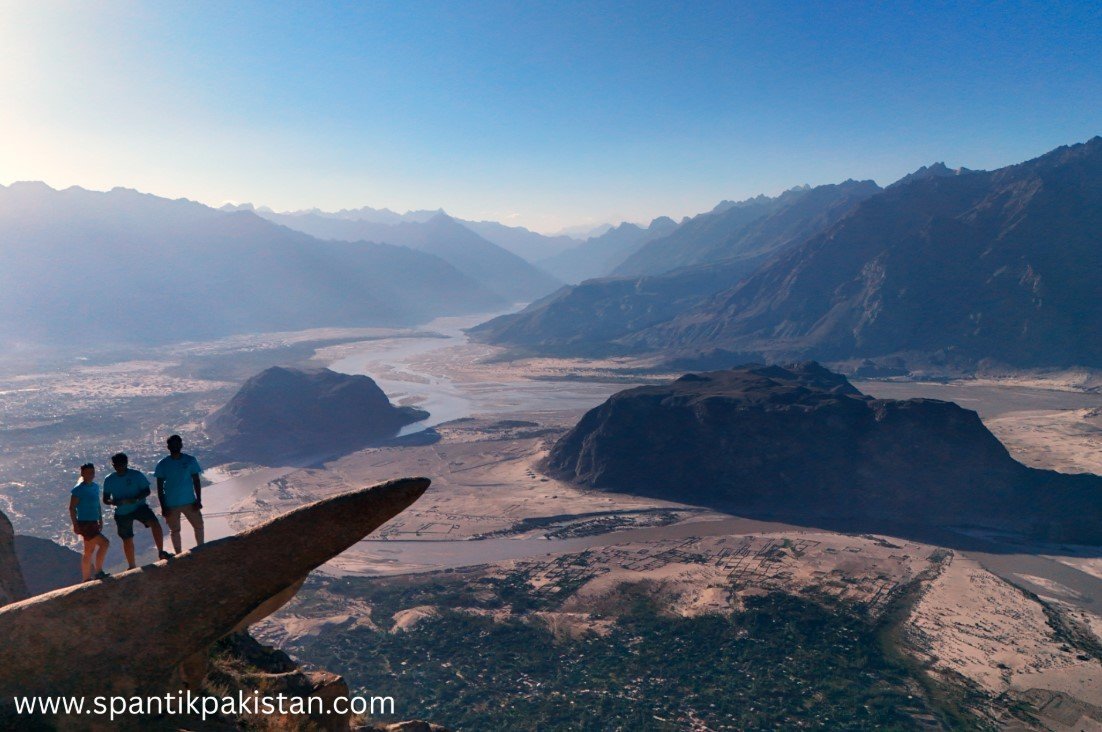
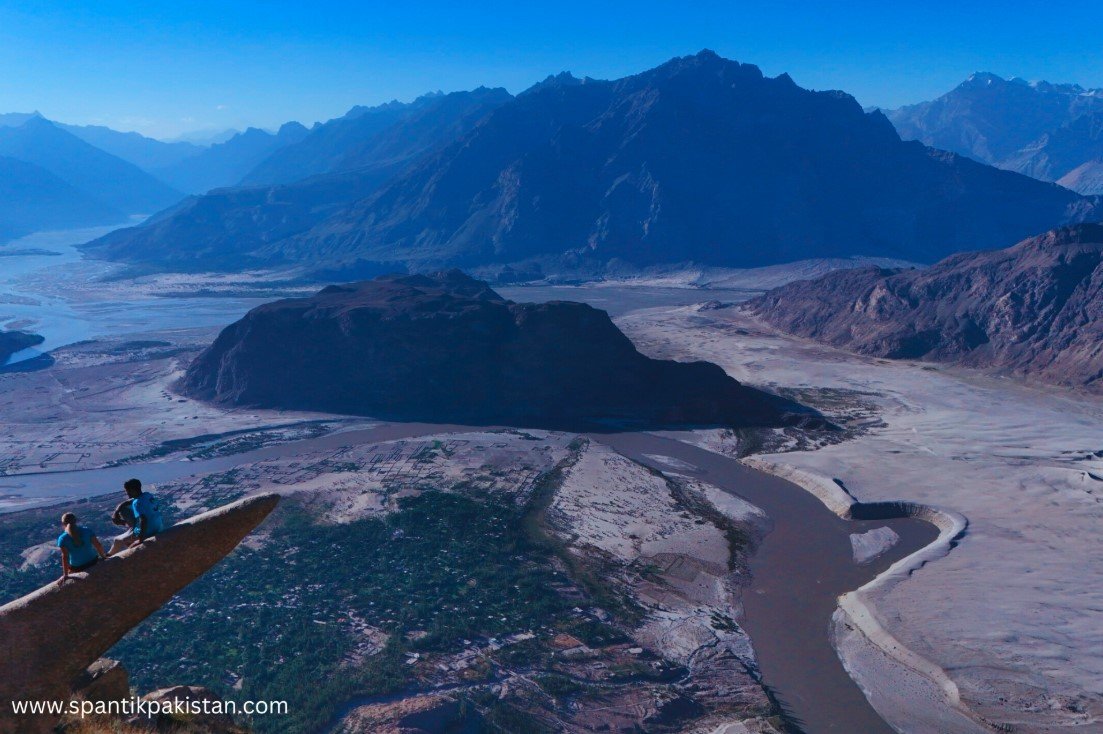
A gigantic granite formation rising above the Karakoram, drawing adventurers, climbers, and geologists from around the world.
Masrur Rock is one of the most striking natural wonders in Pakistan’s northern region. This gigantic granite formation has stood for thousands of years, drawing adventurers, climbers, and geologists from around the world.
Masrur Rock is located in the Karakoram Range, Gilgit-Baltistan, an area already famous for its snow-covered peaks, glaciers, and valleys.
The rock rises to approximately 6,000 metres (19,685 ft) above sea level, and is regarded as one of the region’s most striking natural rock towers.
Formed from solid granite, Masrur Rock is the result of ancient tectonic movements. Geologists often refer to it as a “Natural Rock Tower” because of its steep, skyscraper-like vertical walls.

Masrur Rock is a world-class spot for rock climbing and mountaineering. Professional climbers from across the globe come here to test their limits. Reaching the rock is challenging, but the view and the experience are unforgettable.
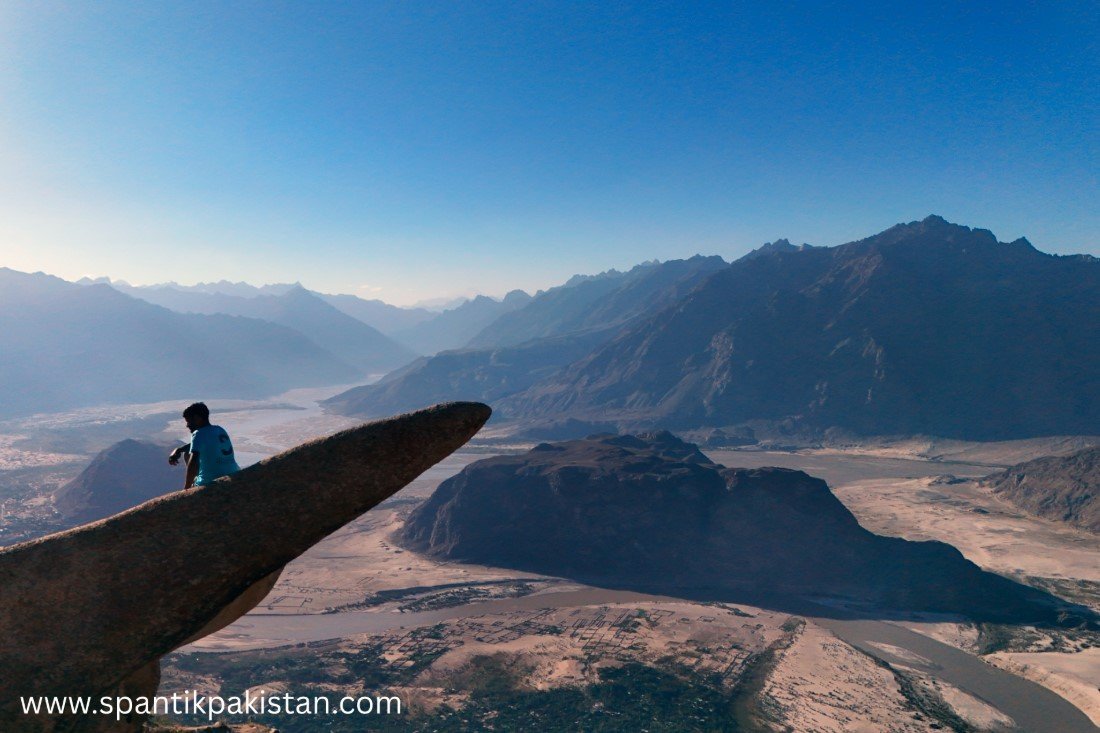
The Rock Ledge
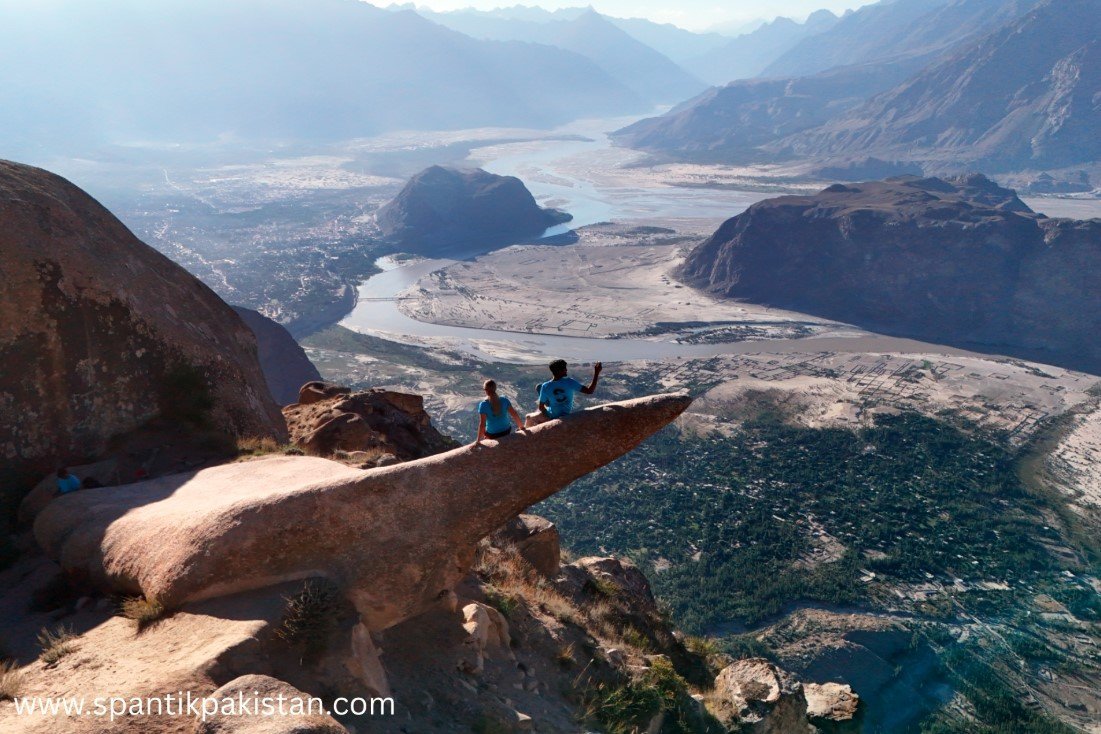
Panoramic Valley View
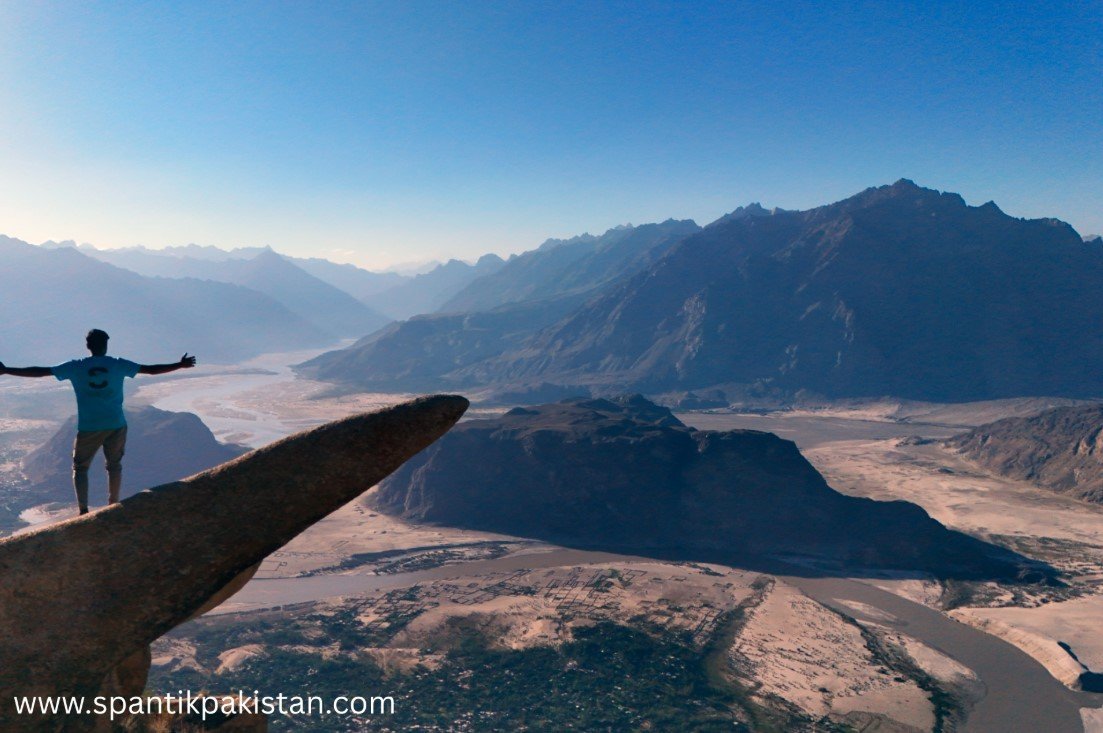
Standing at the Edge
Masrur Rock is perfect for anyone who loves nature and exploring. Visitors can enjoy sweeping views of the Karakoram mountains and the valleys around.
Golden Hour at Masrur Rock
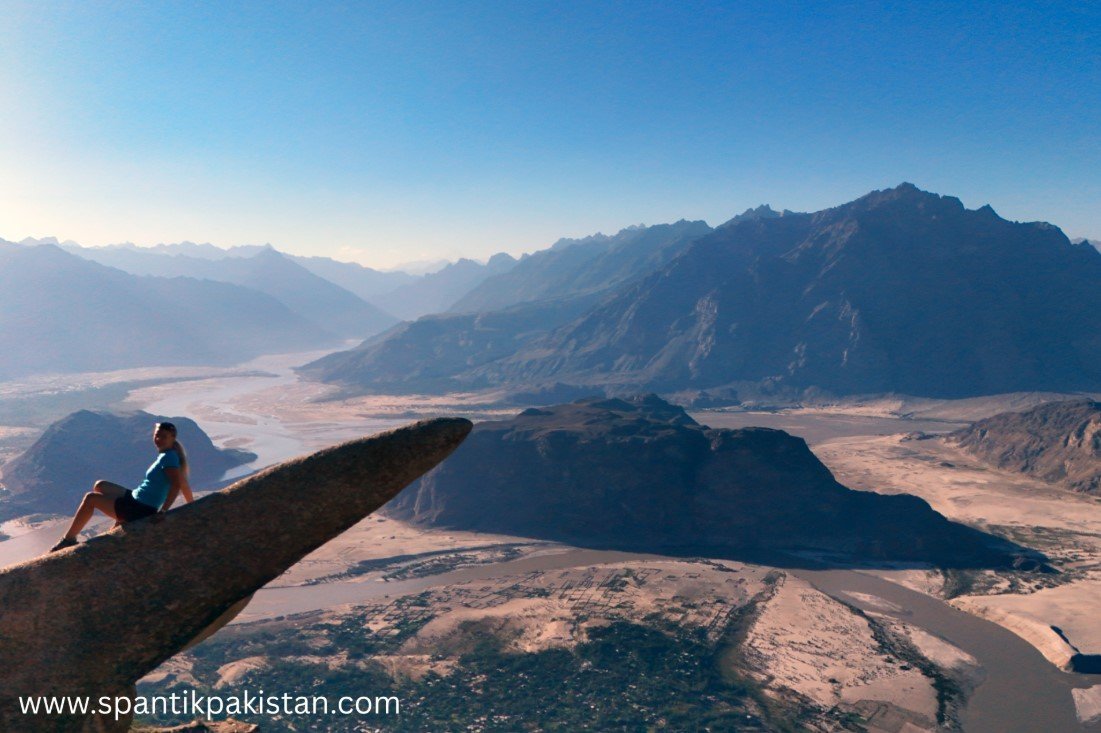
A Quiet Moment on the Ledge
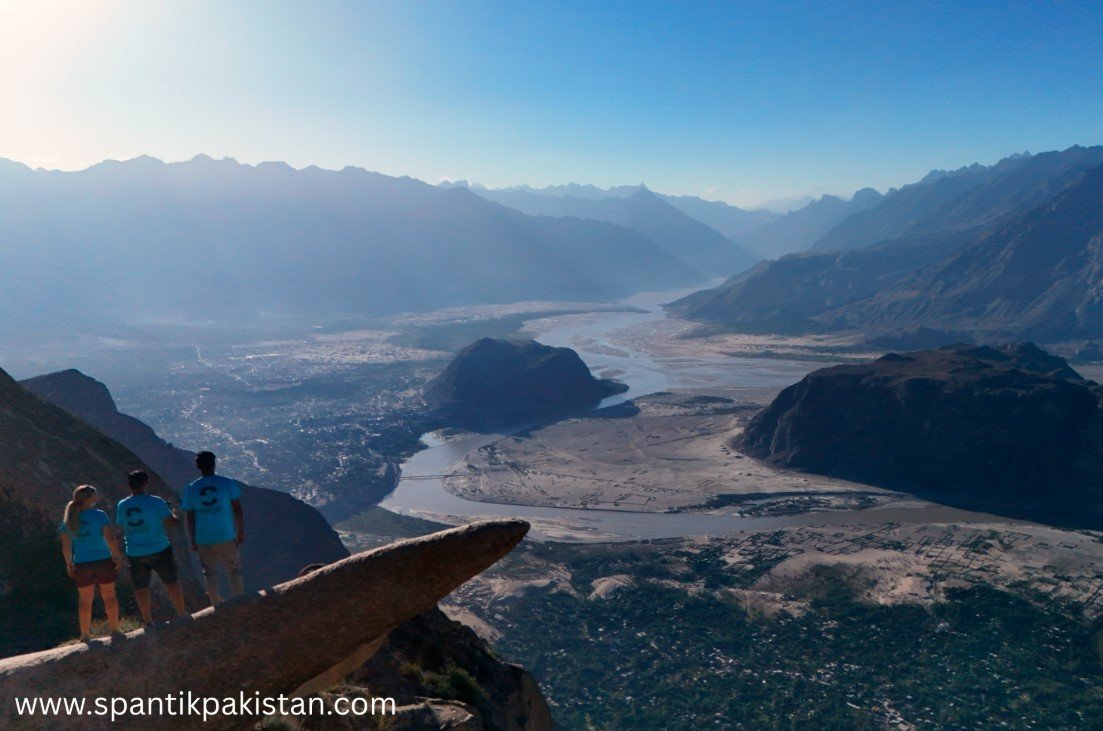
Karakoram Panorama
As with most high-altitude spots in the Karakoram, Masrur Rock is best visited between May and October, when trekking routes are clearer and weather conditions are more favourable.
A gigantic granite rock formation in the Karakoram Range, Gilgit-Baltistan, rising to approximately 6,000 metres above sea level.
In the Karakoram Range, Gilgit-Baltistan, an area known for its snow-covered peaks, glaciers, and valleys.
Yes, reaching the rock is considered challenging, and it is best attempted with an experienced local guide.
May to October, when weather conditions in the Karakoram are generally more favourable.
Yes. Spantik Tours can help plan a route and arrange guided access to Masrur Rock and other spots across Gilgit-Baltistan.