A Land of Mountains and Beauty
Gilgit-Baltistan (GB) is the northernmost region of Pakistan. It borders China, Afghanistan, and the Indian-administered regions of Jammu & Kashmir, including Ladakh.
This area is home to some of the world’s highest mountain ranges — the Karakoram, Himalaya, and Hindu Kush. Famous peaks include K2 (8,611 m), Nanga Parbat (8,126 m), and Gasherbrum I & II. The Indus River flows through the region, and it is known for its glaciers, valleys, and natural beauty.
History & Origin
In ancient times, Gilgit-Baltistan was made up of small mountain kingdoms ruled by local rajas. It later came under Dogra control from Kashmir in the 19th century. After Pakistan’s independence in 1947, the people of Gilgit rose up, gained freedom, and joined Pakistan.
Today, it has 10 districts and is managed as a separate administrative territory.
People, Culture & Economy
Gilgit-Baltistan has around 2 million people belonging to different ethnic groups such as Shina, Balti, Wakhi, and Burusho. Languages spoken include Shina, Balti, Wakhi, Burushaski, and Urdu. People are known for their kindness, honesty, and hospitality.
Agriculture, tourism, and handicrafts are the main sources of income. Locals grow wheat, barley, apricots, apples, and cherries, and many families earn through tourism and local crafts.
Traditional Clothing & Costumes
Because of the cold weather, people wear warm, handmade woolen clothes. Each valley has its own designs and patterns, showing the beauty of local culture.
Men Wear
- Wool caps and shawls
- Long shirts with loose trousers
- Wool coats (chugha)
- Handmade boots
Women Wear
- Colorful embroidered dresses
- Woolen shawls and scarves
- Traditional caps and jewelry
- Heavy coats in winter
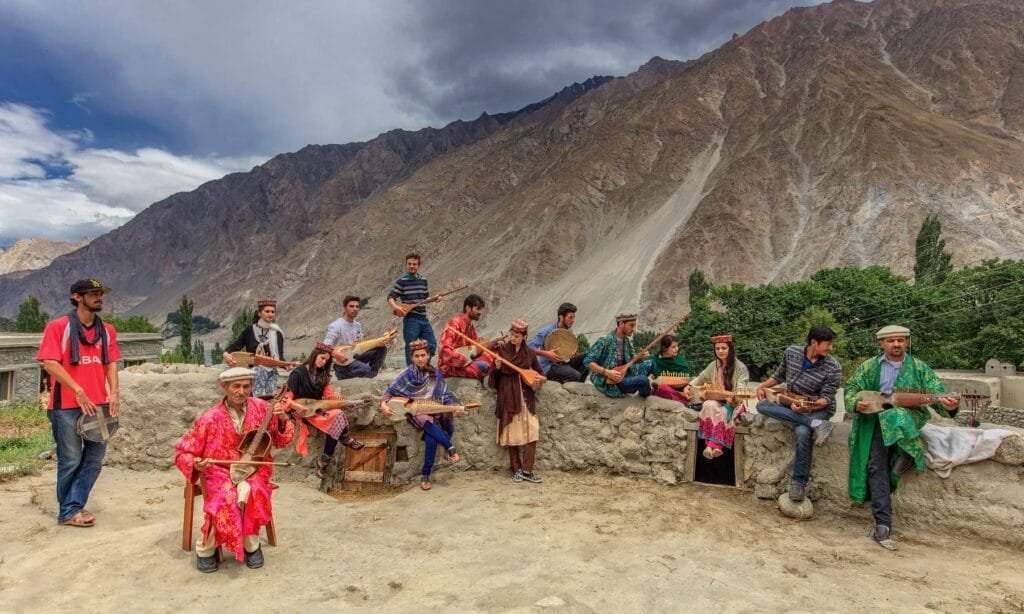
Traditional Attire
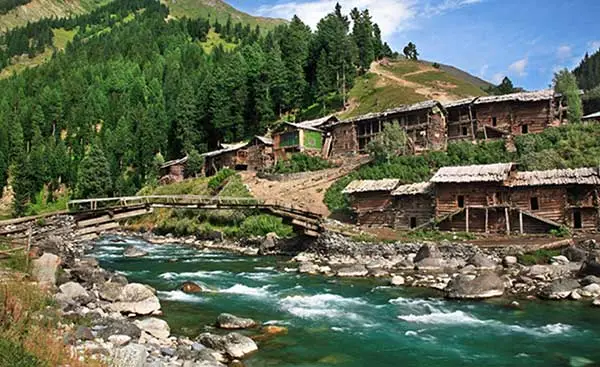
Local Village Life
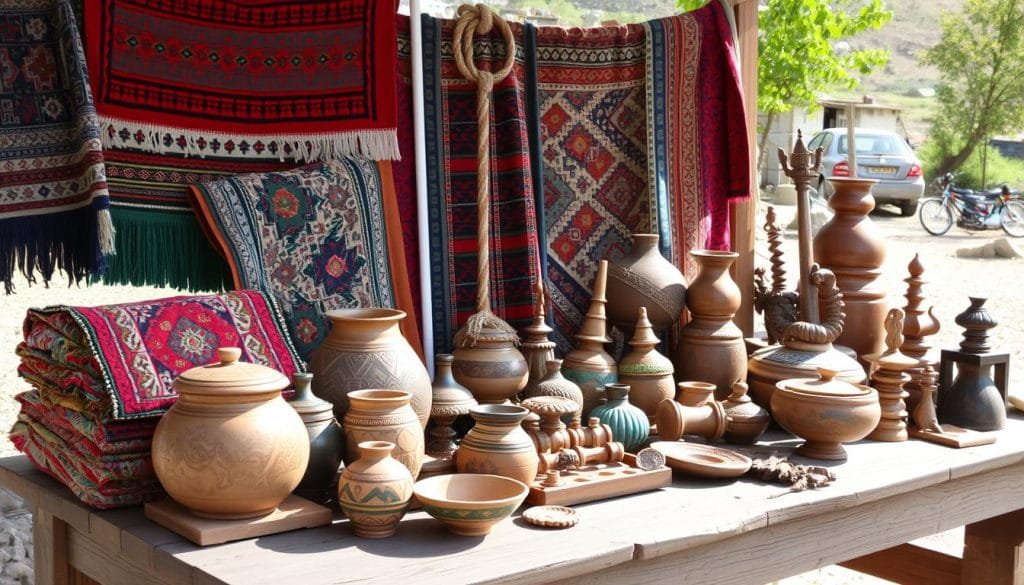
Handmade Crafts
Culture & Traditions
Culture
The culture of Gilgit-Baltistan blends influences from Central Asia, Tibet, and South Asia. Festivals include music, dance, and traditional sports like polo and archery. Folk songs, poetry, and storytelling are an important part of life. The community values peace, respect for elders, and love for nature — and visitors often admire the warmth and unity among mountain families.
Traditions
Festivals bring people together in joy and celebration. Popular events include:
Traditional crafts like wood carving, weaving, and embroidery are passed from generation to generation. The people of Gilgit-Baltistan take pride in their simple and peaceful way of life.
“The community values peace, respect for elders, and love for nature.”
Farming & Rural Livelihood
Cultivation & Farming
Farming is the main part of village life. Because of the mountain slopes, terrace farming is practiced using glacier-melt water. Most farming is natural and depends on teamwork among families.
Main crops include wheat, barley, potatoes, maize, and orchard fruit such as apricots, apples, and cherries.
Animal Rearing (Livestock)
Livestock provides food, clothing, and income. People raise yaks, goats, sheep, and cows, and in summer, herders take animals to green pastures at high altitudes. Women make dairy products like yogurt, butter, and cheese, while yaks are also used for carrying goods in mountain areas.
Why Visit Gilgit-Baltistan?
Gilgit-Baltistan is a dream for people who love nature, adventure, and peace. It is an ideal place to relax, explore, and experience true mountain life.
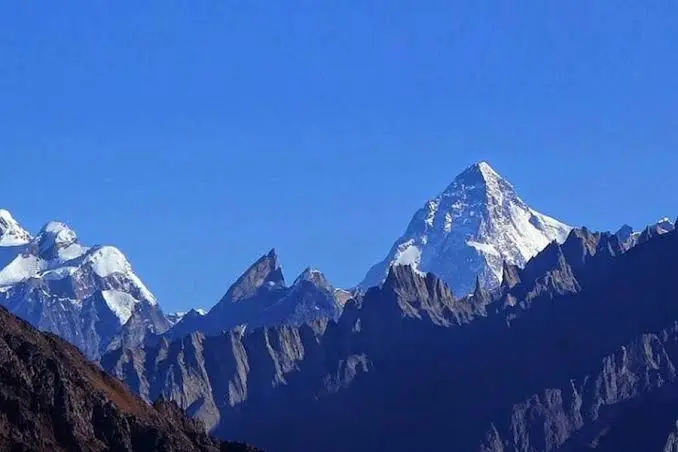
K2 View
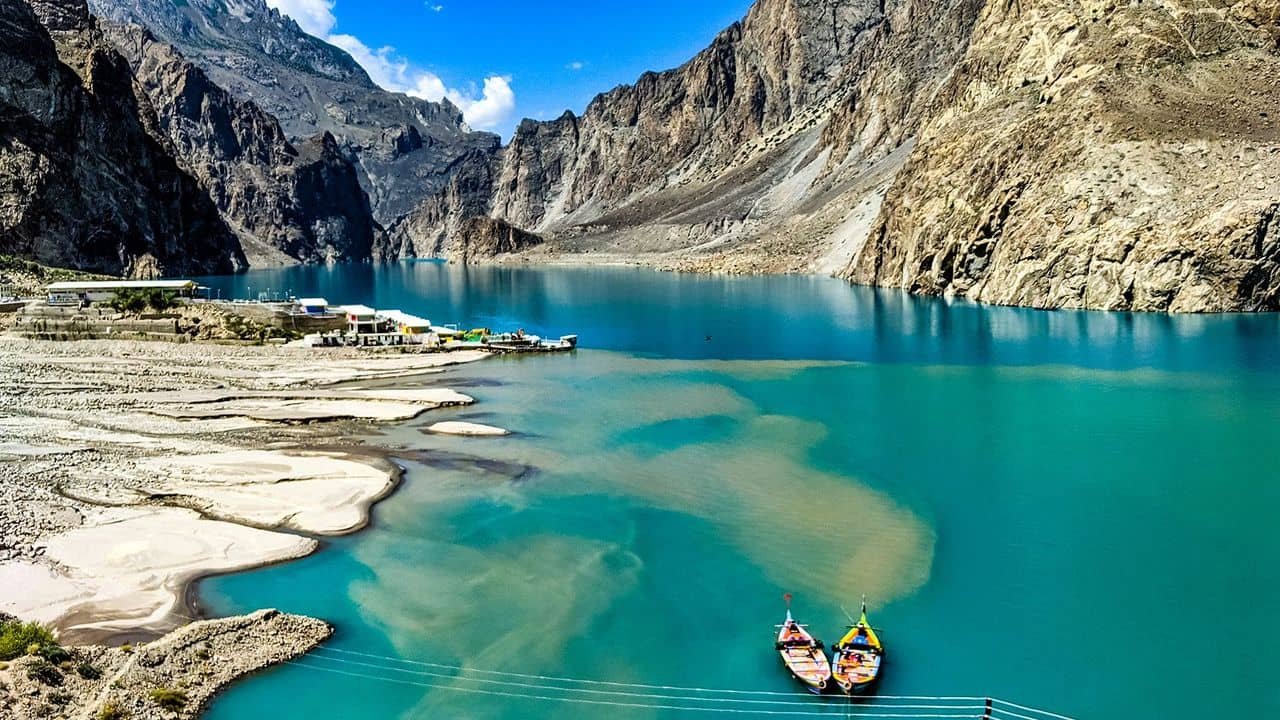
Attabad Lake
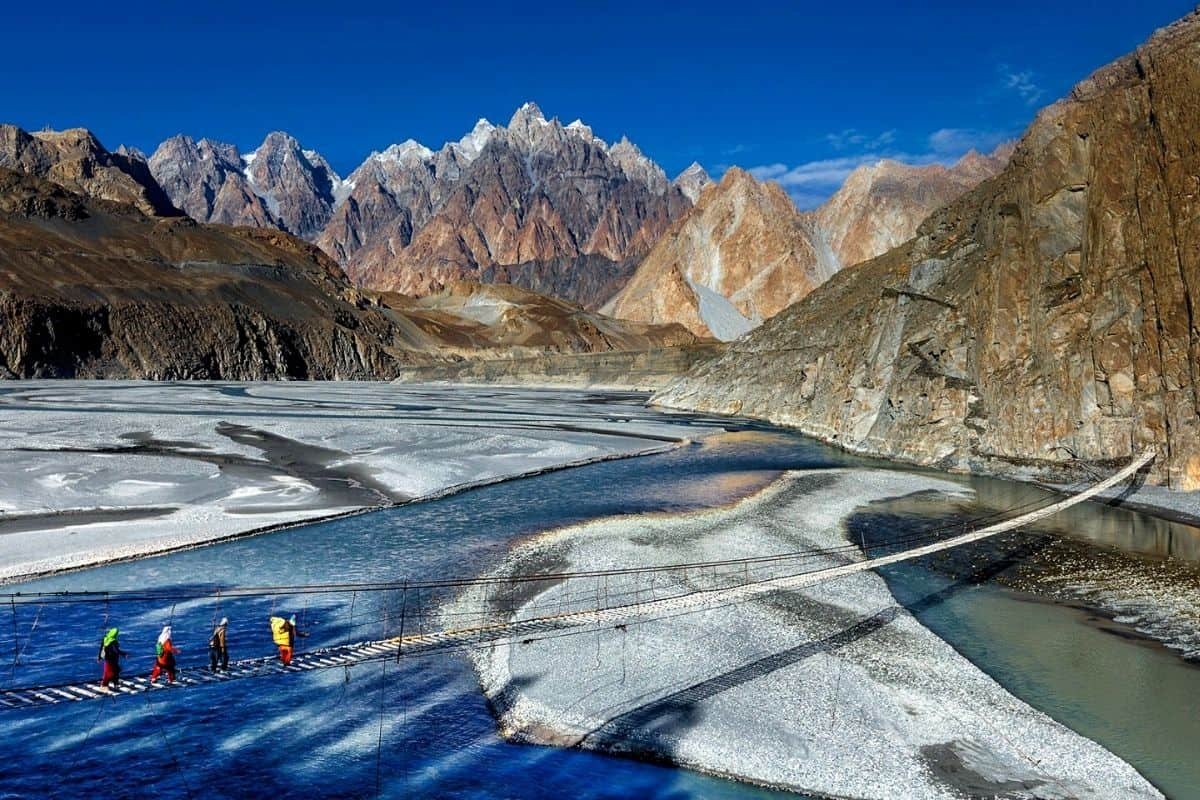
Mountain Valleys
Frequently Asked Questions
Where is Gilgit-Baltistan located?
In the northernmost part of Pakistan, bordering China, Afghanistan, and the Indian-administered regions of Jammu & Kashmir, including Ladakh.
What are the main mountain ranges and peaks in Gilgit-Baltistan?
The region sits where the Karakoram, Himalaya, and Hindu Kush ranges meet, home to peaks including K2 (8,611m), Nanga Parbat (8,126m), and Gasherbrum I & II.
What languages are spoken in Gilgit-Baltistan?
Shina, Balti, Wakhi, Burushaski, and Urdu are the main languages, reflecting the region’s diverse ethnic communities.
What festivals are celebrated in Gilgit-Baltistan?
Nowroz (New Year), Jashn-e-Baharan (Spring Festival), harvest festivals in Hunza and Baltistan, and traditional polo matches in Shandur and Skardu.
What are the top reasons to visit Gilgit-Baltistan?
World-famous mountains like K2 and Nanga Parbat, valleys such as Hunza and Skardu, lakes including Attabad and Sheosar, ancient forts, and opportunities for trekking, camping, and jeep safaris.